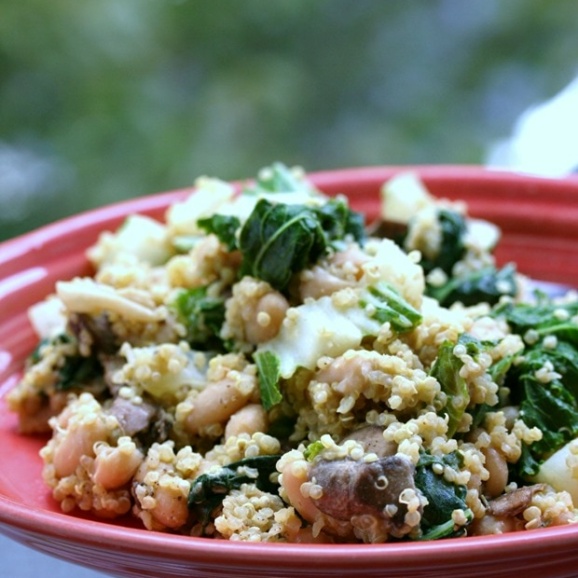
Today’s blog post is a nutrition highlight post all about quinoa! Read on for how to cook the perfect quinoa, quinoa nutrition facts, the health benefits of quinoa, my favorite ways to enjoy quinoa, and some of my favorite quinoa recipes. I hope you enjoy it!
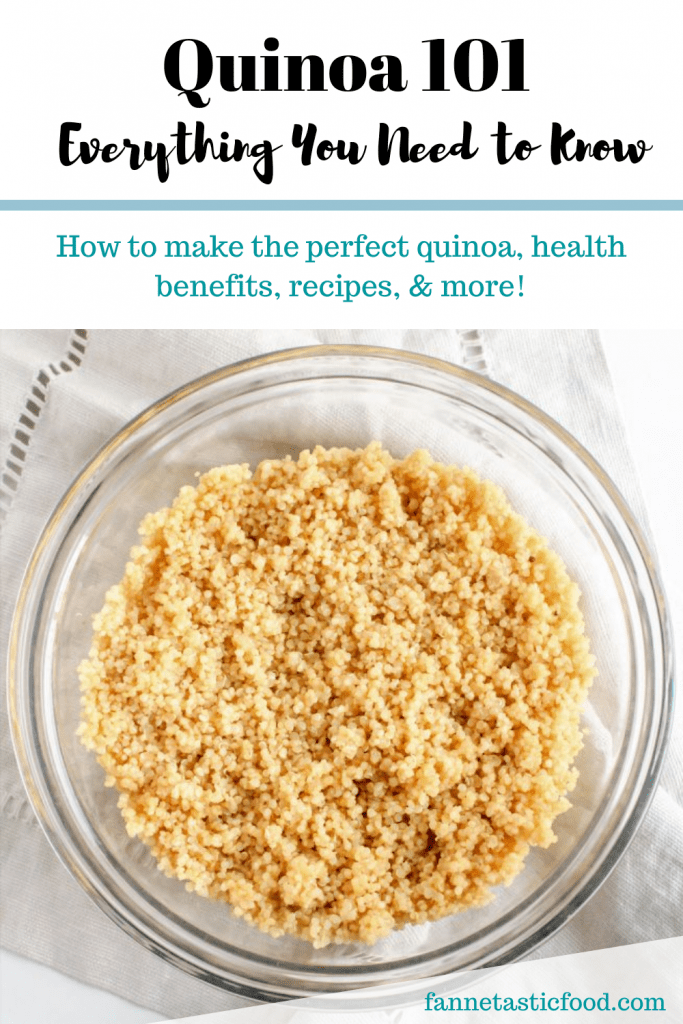
Want to save this post?
Enter your email below and get it sent straight to your inbox. Plus, I'll send you great content every week!
What is Quinoa?
Quinoa, pronounced “KEEN-wah,” is a food that a mere few years ago was probably unknown or unfamiliar to many. Nowadays, however, this product has grown in popularity enough to be readily available both in health food stores and everyday grocery stores, too. Quinoa is commonly grouped with grains such as wheat, oats, barley, and rye because it is typically consumed the same way. But in all actuality, quinoa is a member of the same food family as spinach, Swiss chard, and beets—a chenopod. Chenopodium quinoa is an annual, flowering crop that is grown for the edible seeds (what we know as quinoa). Scientific evidence dates quinoa back to approximately 3000 B.C., but we are just recently hearing about this easily prepared, nutrient-rich and gluten-free food. Pictured above: Comforting Pumpkin Quinoa (click for recipe)
Quinoa nutrition facts
In just ¼ cup (45 g), quinoa contains approximately…- 170 calories
- 6 grams protein
- 2.5 grams fat
- 29 g carbohydrates
- 3 grams dietary fiber
- 2% DV calcium
- 10% DV iron
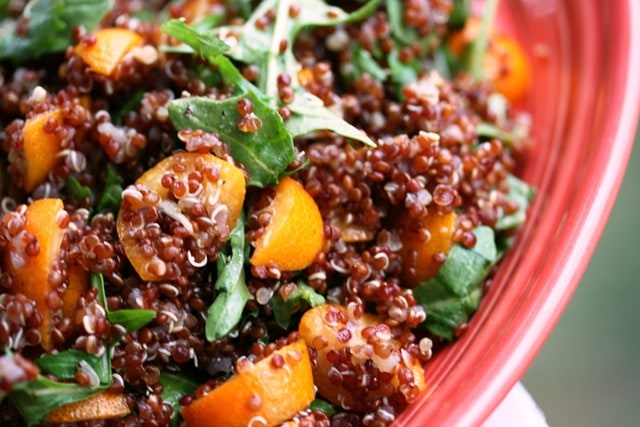 Pictured above: Zesty Kumquat Quinoa Salad (click for recipe)
Why is quinoa so great, nutritionally? Here are 5 health benefits of eating quinoa:
1. Quinoa is a complete, plant-based protein
In just ¼ cup of dry quinoa, this ancient food packs in 6 grams of protein, double the amount in the same serving size of brown rice. On top of this, quinoa is a complete protein, meaning it contains all essential amino acids. Essential amino acids are those that we must consume in our diet because our body cannot make them, unlike non-essential amino acids. Many plant-based proteins do not contain all essential amino acids, unlike animal products.2. Quinoa is a good source of iron
One serving of quinoa contains approximately 20% of our daily value of iron. Iron is essential to our bodies to help carry oxygen to our cells; iron deficiency (anemia) will often lead to lethargy or fatigue.3. Quinoa may help prevent cellular damage
Quinoa contains significant amounts of antioxidants such as quercetin. Antioxidants, which you are most likely familiar with being plentiful in many fruits and vegetables, are responsible for defending against free radicals in our bodies. Free radicals can cause cellular damage leading to cancer, aging, and various diseases.4. Quinoa may protect the body from inflammation
Research is still being conducted on quinoa and its anti-inflammatory properties, but the growing evidence is promising. Studies have shown that quinoa has the ability to lower levels of inflammation in fat tissues and intestine linings. These studies show decreased risk of inflammation-related diseases, including obesity.5. Quinoa supports digestive health
Fiber is essential to our bodies for regularity in bowel movements, and also aids in maintaining a healthy weight and lowering your risk of diabetes and heart disease.One serving of quinoa contains 3 grams of fiber, making this product a good source. Women should aim for 25 grams of fiber per day, while men should aim for 38 grams.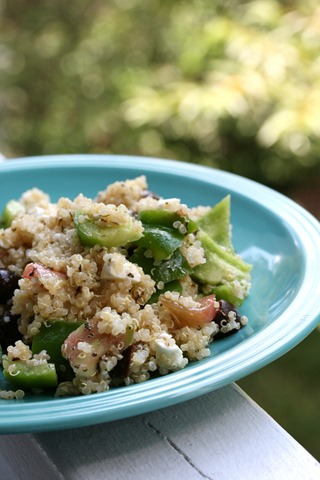 Pictured above: Mediterranean Quinoa Salad (click for recipe)
My favorite ways to eat quinoa
- Add nuts and fruits to cooked quinoa for a healthy breakfast. Make the quinoa with milk instead of for added protein!
- Use quinoa instead of rice in your next Mexican dish or stir fry.
- Use noodles made from quinoa to mix up your favorite pasta dish. Quinoa pasta is also a great way for gluten-free friends to still enjoy pasta!
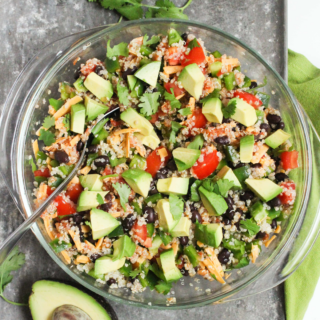
- Mix quinoa into your favorite salads for added fiber and protein.
- Change things up at dinnertime and use it as a side instead of rice or another grain.
- Add to your favorite vegetable soups or chili for added protein.
- Toss cooked quinoa into a smoothie for a protein boost like you would with flax or chia seeds.
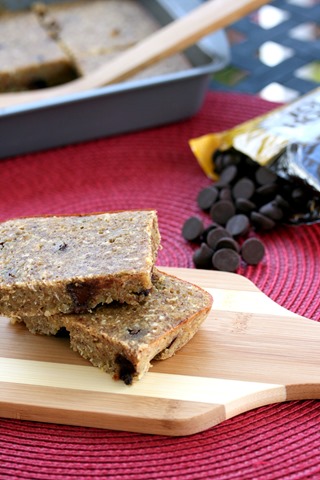
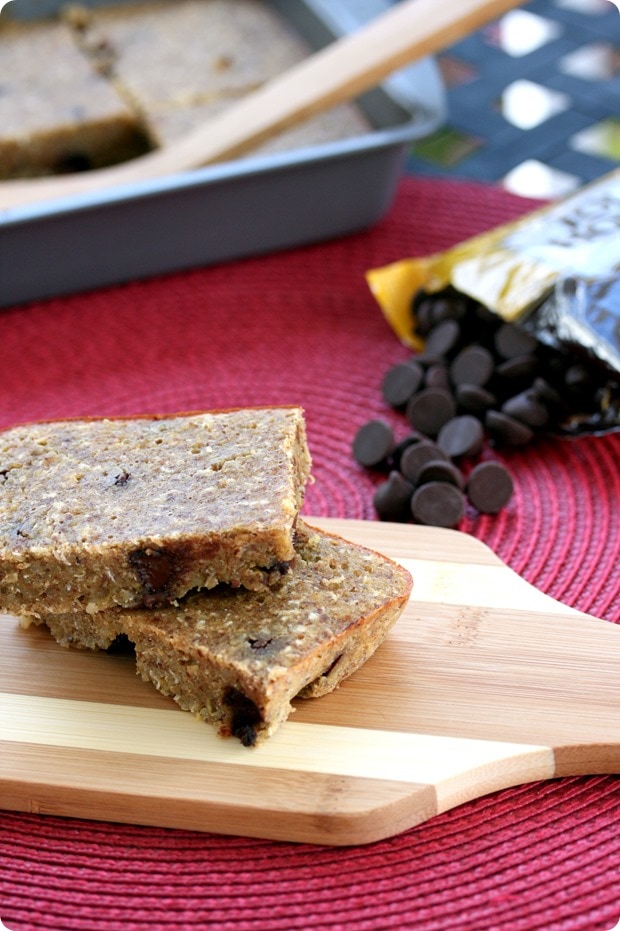
- Bake quinoa into cookies, muffins, or snack bars. Try my Cranberry Quinoa Peanut Butter Power Bars, or my Dark Chocolate Quinoa Bars, pictured below.